
Responsible Social Media Use
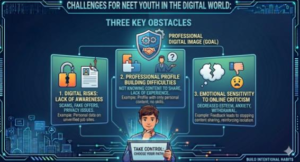
Responsible use of social media means being aware of what is shared, how it is shared, and the potential consequences of online behaviour. For NEET youth, developing responsible habits is essential to protect their wellbeing, build a positive digital image, and avoid risks.
Social media should not only be a space for entertainment, but also a tool for personal development and opportunity.
Privacy settings
What it is: Privacy settings allow users to control who can see their content, personal information, and activity on social media platforms.
Why it matters: Without proper privacy control, personal data can be exposed to strangers, organisations, or unintended audiences.
Key practices:
● Set profiles to private when appropriate
● Control who can view posts, stories, and personal information
● Limit location sharing
● Review follower or contact lists regularly
● Adjust tagging and commenting permissions
Example: A young person shares personal photos publicly without realising that anyone, including unknown users, can access them.
Practical exercise:
Ask learners to:
● Review the privacy settings of one of their social media accounts
● Identify what is public and what is private
● Make at least two changes to improve privacy
Harmful content avoidance
What it is: Avoiding the creation, sharing, or engagement with content that may be offensive, misleading, or damaging.
Why it matters: Content shared online contributes to digital reputation and can affect future opportunities.
Examples of harmful content:
● Offensive language or hate speech
● Aggressive or disrespectful comments
● Sharing misinformation or fake news
● Inappropriate photos or videos
● Content posted in moments of anger or frustration
Key practices:
● Think before posting
● Ask: “Would I be comfortable if an employer saw this?”
● Avoid reacting impulsively
● Verify information before sharing
Example: Posting a negative comment about a previous experience that could later be interpreted as unprofessional.
Practical exercise:
Ask learners to reflect:
● Have I ever posted something impulsively?
● What could be the impact of that post in the future?
● How would I rewrite it in a more constructive way?
Cyberbullying awareness
What it is: Cyberbullying refers to harmful behaviour carried out through digital platforms, including harassment, insults, exclusion, or spreading false information.
Why it matters: Cyberbullying can have serious emotional consequences and affect mental health, confidence, and social participation.
Forms of cyberbullying:
● Offensive messages or comments
● Public humiliation or ridicule
● Sharing private information without consent
● Exclusion from online groups
How to respond:
● Do not engage in harmful interactions
● Block or report abusive users
● Save evidence if needed
● Seek support from trusted individuals
Example: A young person receives repeated negative comments on their posts, leading to anxiety and withdrawal from social media.
Practical exercise:
Scenario-based reflection:
● What would you do if you received a harmful message?
● Who could you ask for support?
● How can you protect yourself online?
Key reflection
Responsible use of social media is not about restriction, but about awareness and control. Small actions can prevent long-term consequences.
Key message
Before posting, ask yourself: Is this safe, respectful, and aligned with who I want to be?